Our principles
Principle 8: Bring nature into everyday life, providing places for people to benefit from and engage with nature.
Spending time in nature has a proven positive impact on our health and wellbeing. We also need to repair the connection between people and nature to ensure wider support for nature and the types of decisions needed to achieve its recovery.
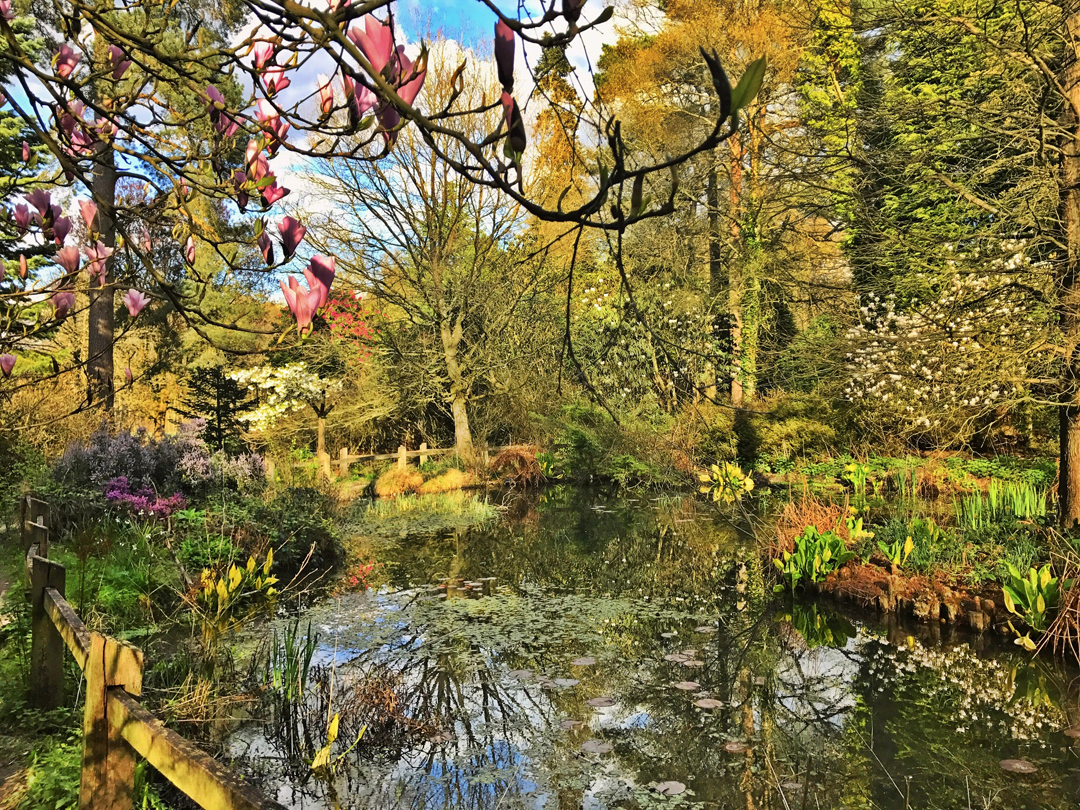
One of the lakes in Tilgate Park, a visitor favourite near Crawley © iStock.com/MiPhone_Pictures
The benefits of having nature-rich greenspaces in our neighbourhoods
A growing body of evidence indicates that greater contact with natural environments (parks, woodlands, beaches etc.) is associated with better health and wellbeing. Living in greener urban areas is associated with lower rates of cardiovascular disease, obesity, diabetes and mental distress. (Source Nature.com, 2019).
There are many other benefits to having nature-rich greenspaces in our neighbourhoods, from creating attractive spaces that enhance social cohesion to flood risk reduction and urban cooling.
Natural England's 'Accessible Greenspace Standards' and where these are not met
The ‘Accessible Greenspace Standards’ are a guide for local planners, developers and communities. This recommends that “everyone has access to good quality green and blue spaces… within 15 minutes’ walk from home” . However. in many parts of West Sussex, East Sussex and Brighton & Hove there is an acknowledged ‘nature deficit’, where this standard is not met. These areas are where the provision of more natural greenspace should be prioritised.
The challenge of bringing more nature into urban areas
Creating more nature-rich spaces in our villages, towns and cities can be challenging for many reasons, including pressure on land and reduced budgets for local authorities. While natural verges and areas of grassland in public greenspaces left wild are valuable for wildlife, they can also be perceived as messy and unmanaged. Accessing nature in rural areas can also be difficult due to fewer greenspaces and poor provision or maintenance of footpath networks. Options for creating new opportunities may also be limited by funding and availability of land.
Greater success across the board will be based in identifying practical, achievable local opportunities, that are ideally community-led.
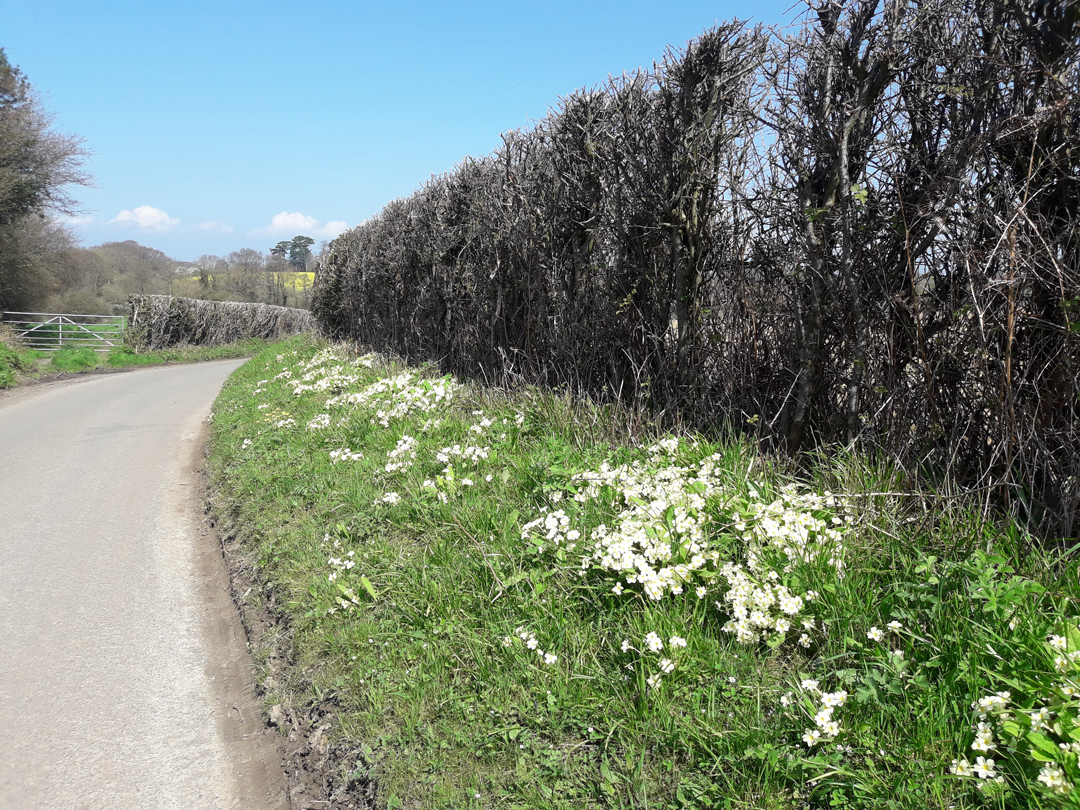
Verge of road with small flowers and hedge © Ben Kimpton
The LNRS aims to help this by:
- Emphasising that provision of greenspace should be prioritised where there is a ‘nature deficit’ and where provision of more greenspace is advised to meet the Accessible Greenspace Standards (e.g. within a 15-minute walk). (See the Urban Nature storymap.)
- Identifying options for enhancing existing greenspaces that can be taken forward by local authorities, town and parish councils and local community groups so they are more valuable for wildlife and people.
- Developing ideas for the creation and improvement of green and blue corridors to support nature, whilst better connecting people to natural areas within walking distance of their homes.
- Reflecting the ambition of communities and residents across West Sussex, East Sussex and Brighton & Hove to take action for nature in their gardens and neighbourhoods.