Our principles
Principle 3. Think big: work at scale to support ecosystems and natural processes.
Our landscape has been heavily altered by human presence. As a result, important ecosystems are under pressure which threatens their ability to deliver the ecosystem services we depend on.
|
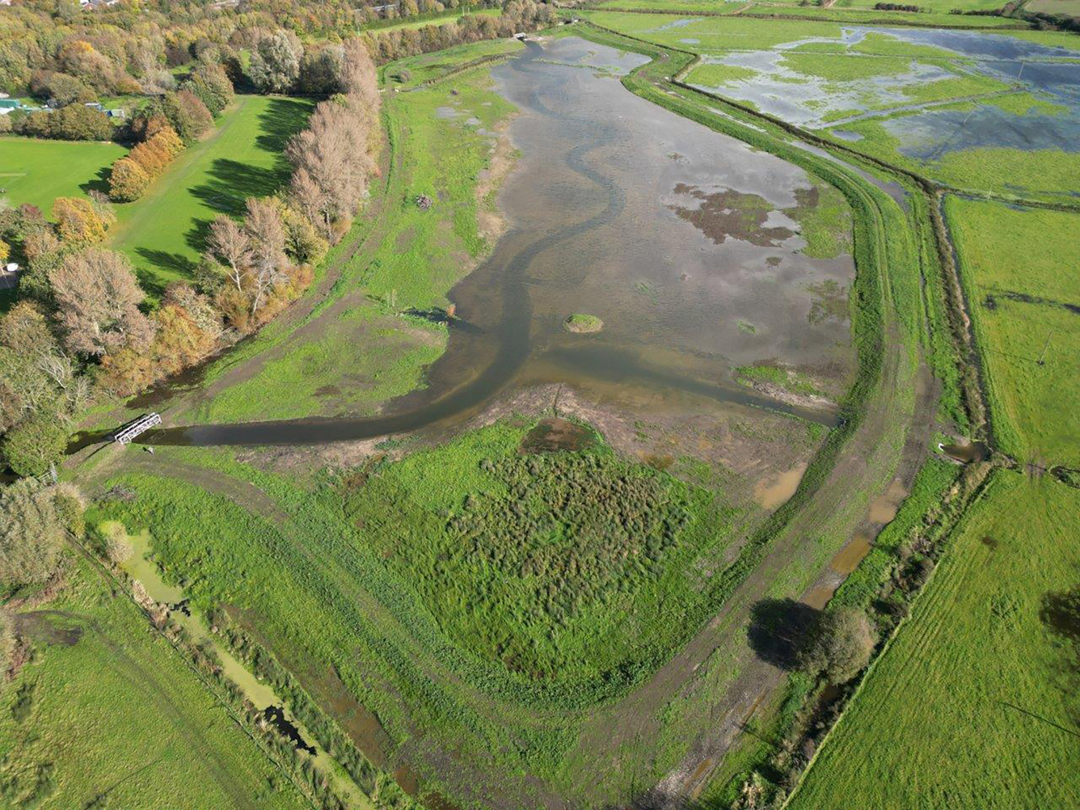
The Cockshut Stream Restoration Project realigned the Cockshut chalk stream into a new channel flowing through 6.8ha of wetland habitat, boosting biodiversity, flood storage and climate resilience of the Lewes Brooks habitats and beyond. © Christopher Bibb |
What a decline in natural ecosystem service function looks like
In many places natural processes such as the floodplain function, the ability of the landscape to naturally store water or of the soil to store carbon, and the role of coastal habitats in preventing or in slowing down coastal erosion, have been degraded or lost completely.
Some habitats are being jeopardised by the decline in traditional practices which have helped to create these habitats and mimic natural processes. For example, a reduction in the practice of coppicing is now compromising the structure and diversity of our woodlands.
|
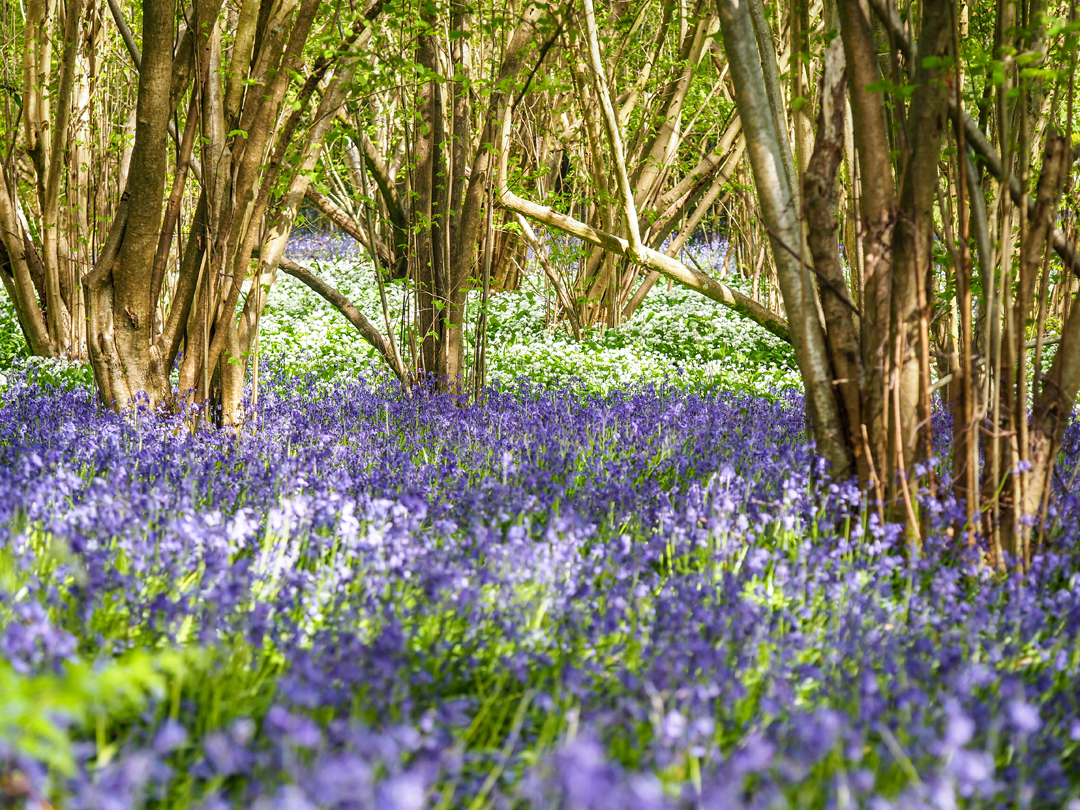
Coppicing is an ancient form of woodland management used continuously until last century. Trees are cut back to ground level and allowed to regrow which produces multiple 'rods'. This prolongs the life of the tree and, as it lets sunlight hit the soil, boosts biodiversity by enabling wildflowers, and in turn insects and specialist birds to thrive. © iStock.com-Chris Page |
Invasion by non-native species is a threat to ecosystem function across West Sussex, East Sussex and Brighton & Hove LNRS – particularly in freshwater habitats and woodlands – and is likely to become more serious with climate change.
Natural coastal processes, which move sediment, shape and influence habitats along our coastlines have been modified by hard coastal defences (e.g. sea walls and groynes) that predominate along much of our coastline. Projections for increased sea level rise, sea water inundation and coastal erosion will increase the urgency for long-term solutions that protect people, property and habitats from these threats and the role that natural processes might be able to play in this. Approaches such as ‘managed realignment’ may be possible in some places, harnessing the power of natural coastal processes to both create habitat and provide a long-term approach to managing coastal flood risk.
What do we need to do?
Achieving meaningful change in ecosystem functioning and habitat creation requires an ambition to work at scale and collaboratively – rather than in isolation and in a small area. Key projects have been initiated to encourage the return of natural processes in Sussex and some of these are leading the way locally and nationally in thinking big and creating a vision of what can be done. Further work is required to support and scale-up these approaches across our LNRS area.
The LNRS aims to help this by:
- Targeting actions for the restoration of natural processes where these can play a significant role in supporting nature’s recovery in West Sussex, East Sussex and Brighton & Hove, whilst being mindful of where this is feasible and will deliver the greatest benefit.
- Identifying where there is potential and appetite to work together at scale to support natural processes and create and enhance habitats for the benefit of nature and people.