Our principles
Principle 1: In our core areas for nature, hold on to what we have and make it better.
West Sussex, East Sussex and Brighton & Hove are blessed with many important areas for nature such as designated sites and irreplaceable habitats. Making up c.30% of the area, these ‘core sites’ are the foundation of our nature-recovery network, around which future action can be based.
While 30% is high compared to other parts of England, it means we have a responsibility to conserve our existing areas of important habitat, to prevent any further loss or degradation, while working to improve their ecological condition.
|
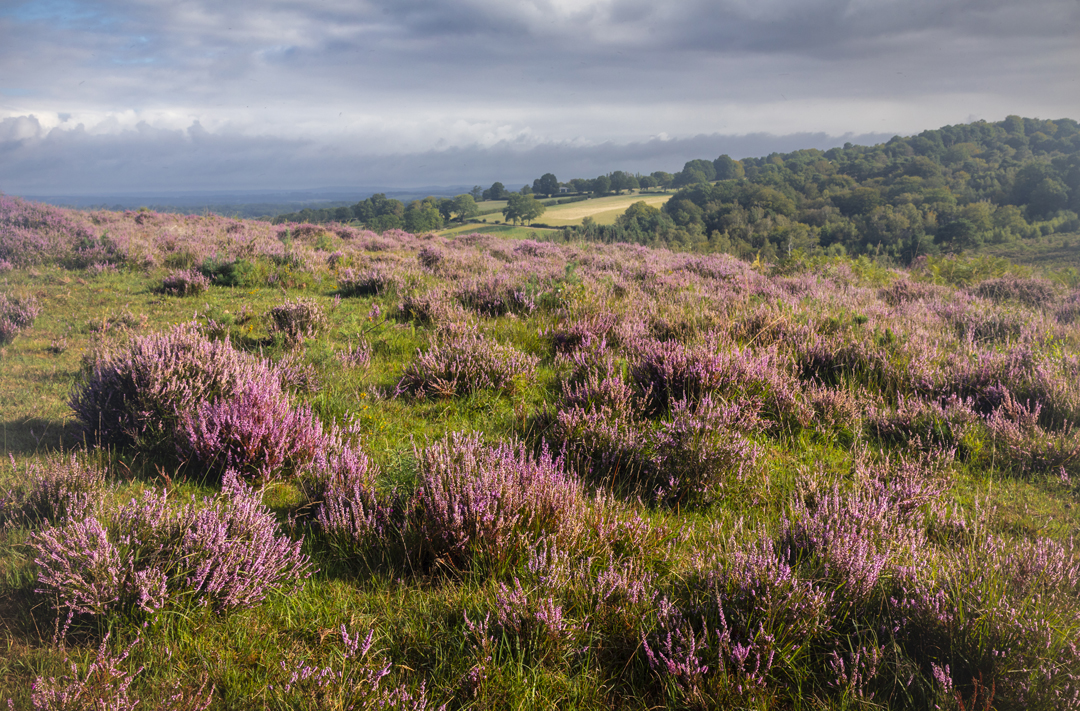
Ashdown Forest in East Sussex is one our our core areas of nature. It has multiple designations, including as a Special Protection Area (SPA) for its internationally important populations of nightjar and Dartford warbler. © iStock.com-HerbySussex |
While some of our sites and important habitats are well managed, many are not and remain in poor condition.
We have some large ‘flag-ship’ protected sites, but many others are small and disconnected from each other. Small size, poor condition and disconnection from other sites means that many of our most important areas of habitat are not functioning well either in support of species or in delivery of important wider environmental benefits.
As a result, nature’s recovery in West Sussex, East Sussex and Brighton & Hove must start by conserving these core areas of important habitat to prevent any further loss or degradation, while working to improve their ecological condition and resilience to change. This will include understanding the impacts of climate change on our most vulnerable habitats and species, and how approaches to management may need to change through time.
|
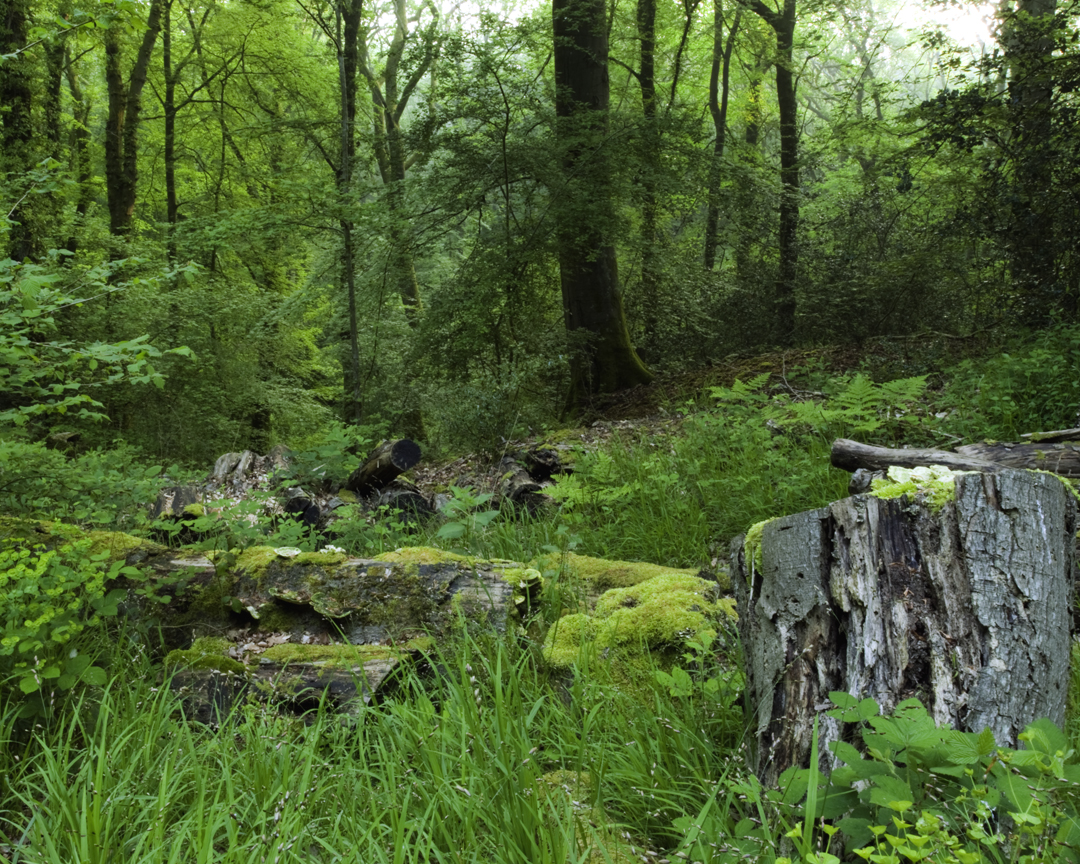
The Mens, a large area of ancient woodland, is another of our core areas for nature. It is designated as a Special Area of Conservation (SAC) and is home to the rare Barbastelle bat. © Nigel Symington-Sussex Wildlife Trust |
The LNRS aims to help this by:
- Identifying how we can take the best care of our important habitats. (See the Protected Sites storymap.)
- Supporting the creation of a connected network of high-quality habitat around and between our core areas. (See principle 2)
- Targeting habitat creation and improvement in key locations in our river catchments to improve both the flow and the quality of freshwater. Many of our fragile and internationally important coastal and wetland habitats and designated sites depend on this.
- Supporting our most vulnerable core sites and areas of habitat to respond to pressures such as sea level rise, changes in temperature/precipitation, over-grazing by deer and so on.
Important notes
- Local Nature Recovery Strategies cannot strengthen existing legal protections for important sites or habitats, but they can help identify actions which will help to make them ‘better’ and support their key role as the foundation of our nature recovery efforts.
- Designated sites such as SSSIs and NNRs are already managed through a statutory mechanism, so to avoid confusion, any actions related to them in this strategy will be complementary to existing management arrangements.