Our principles
Principle 7: Invest in and use nature to deliver wider benefits where we need them.
Nature-based solutions are actions that use nature and the natural functions of habitats and ecosystems to tackle issues such as flooding, coastal erosion, poor water quality, drought, rising urban temperatures and carbon storage. In some places they can also be used directly to improve a local environment and provide more access and connection to nature, which is so important for health and wellbeing.
Using nature in Nature-based solutions is a ‘win-win’, helping to tackle issues while supporting nature and wildlife through the creation of habitats.
|
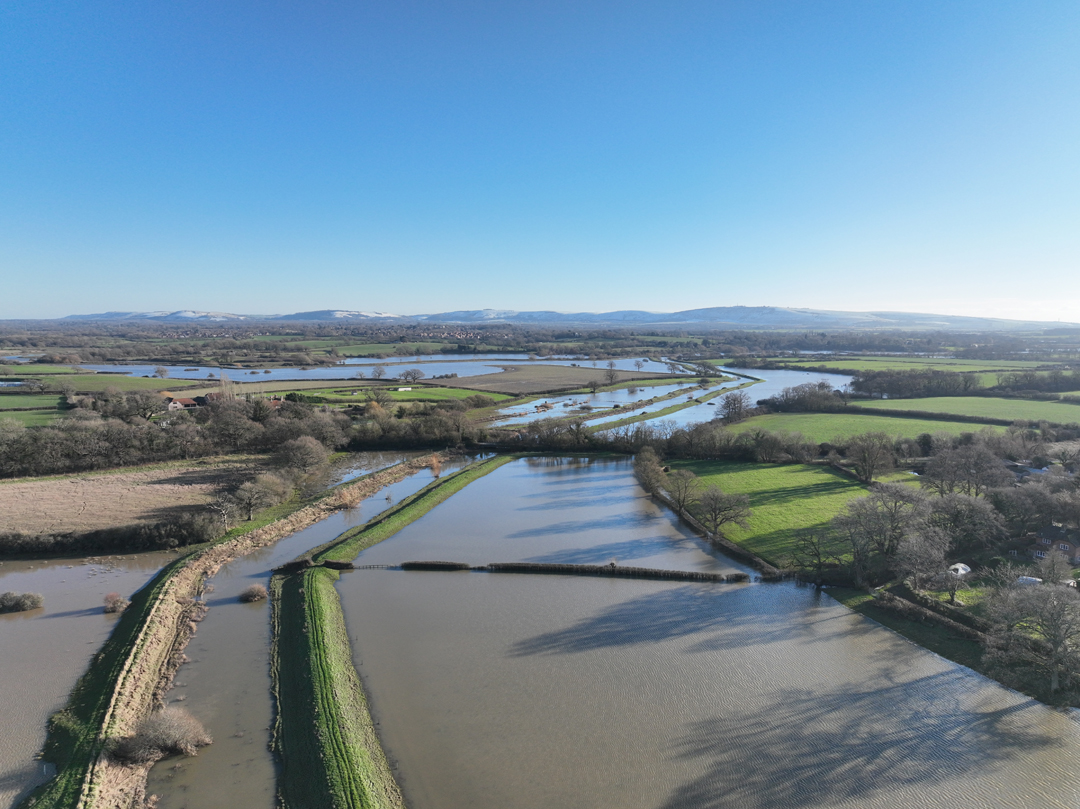
Adur River Recovery is an ambitious land manager-led project to revitalise and restore one of the biggest rivers in West Sussex to improve water quality and biodiversity. © Adur River Recovery |
Other benefits of Nature-based solutions
Nature-based solutions also bring more funding sources into nature recovery, for example, funds for tackling flooding can help to create wetlands as part of a flood reduction project. Climate adaptation funds for towns and cities will be a particularly important source of funds for creating new habitats and planting trees in our urban areas.
In West Sussex, East Sussex and Brighton & Hove, there is a great interest in finding ways to support nature-based solutions research and development, particularly for habitats in coastal and marine environments and the multiple benefits these can provide. Innovative approaches to ‘green financing’ for these sorts of projects is also highlighting new ways to attract funding and investment.
Challenges in delivering nature-based solutions
A key challenge is to know where and how to use a nature-based approach to deliver the required outcomes. Work is going on within Catchment Partnerships, government agencies and water companies across West Sussex, East Sussex and Brighton & Hove to help to answer this question.
A key principle for all nature-based solution projects is that they must not have negative consequences for nature and inadvertently destroy or damage the environment, habitat or ecological function. For example, a tree planting project to store more carbon should not be located where it could damage or destroy other types of valuable habitat such as species-rich grassland. A ‘biodiversity double-lock’ principle was introduced in 2019 by the Sussex Nature Partnership to guard against this, and ensure that where nature-based solutions are used in Sussex, they are implemented in a way and in a location that provides positive benefits for nature.
The LNRS aims to help this by:
- Reflecting a consensus on where and how nature-based solutions can play a role in delivering wider environmental benefits in West Sussex, East Sussex and Brighton & Hove and engaging a wider range of stakeholders in these decisions.
- Specifying how and where nature-based solutions can be used effectively – and what benefit to nature they can also help to support (ensuring the ‘win win’).
- Identifying precautions that may need to be taken when considering the application of nature-based solutions in particularly fragile environments.