Our principles
Principle 6: Support species special to Sussex.
West Sussex, East Sussex and Brighton & Hove are home to many species of conservation concern. Some of these are particularly important in a national, and in some cases, international context. This may be because we provide a stronghold for a species found in smaller numbers elsewhere or host remaining populations of species on the brink of extinction. We also see species in our area at the very edge of their geographical range, which are particularly vulnerable to changes in climate.
|
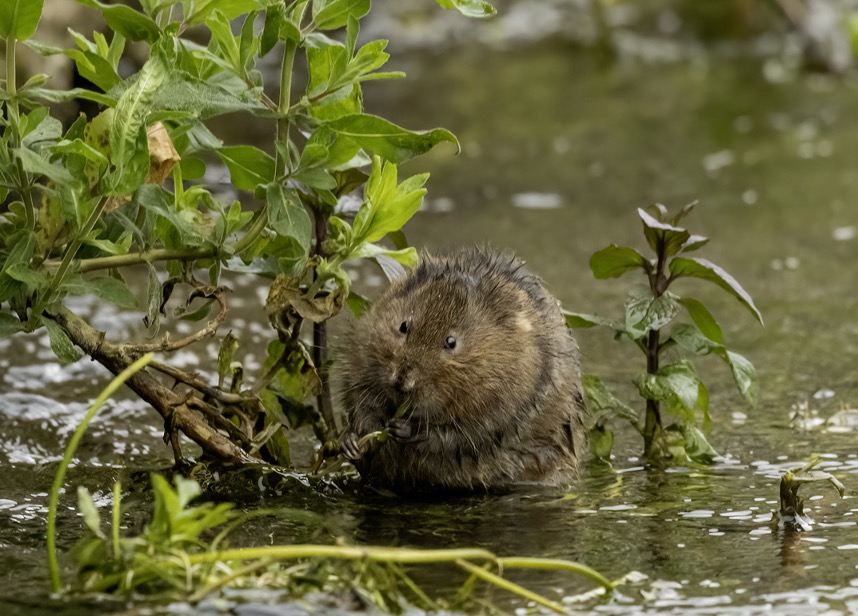
A flagship species for rivers and wetland, it is estimated we have lost 90% of our water voles in the last 30 years. Specific measures needed to support them include eradication of the non-native invasive species American mink. © iStock.com/Rachel Bennett |
All species are dependent on the habitats found here, their extent, condition and spatial distribution. All are vulnerable to loss and degradation of habitats and so creating a network of bigger, better, more and joined-up wildlife rich spaces across our landscapes (see Principle 2) will go a long way to support their future presence in the LNRS area.
The need for dditional interventions over and above recovery of our habitats
For those species of national or international importance, or those with very specific habitat requirements, we have additional responsibilities to secure their future, beyond general habitat enhancement and creation. This will require specific interventions to provide habitat or mitigate pressures in areas of importance for these species. It is vital that we know what these species need and how best to provide it if their future is to be secured.
|
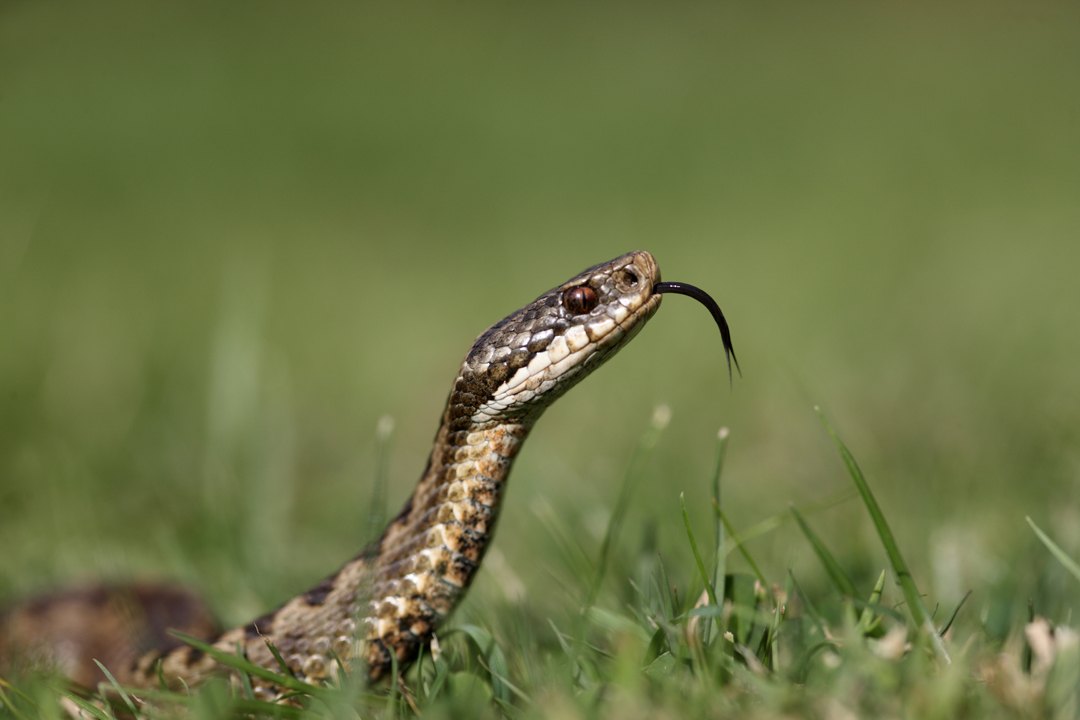
An iconic species of the Downs, adders are on the brink of extinction with 90% of remaining populations in decline. While adders will be supported by habitats improvements, bespoke measures, such as the construction of hibernacula are also required © iStock.com/MikeLane45 |
The importance of indicator species
Some species are indicators of general habitat health, and by focusing on actions which will support them, widen their distribution and inch them towards healthy population numbers, we will know that their habitats are in good health and are supporting other species.
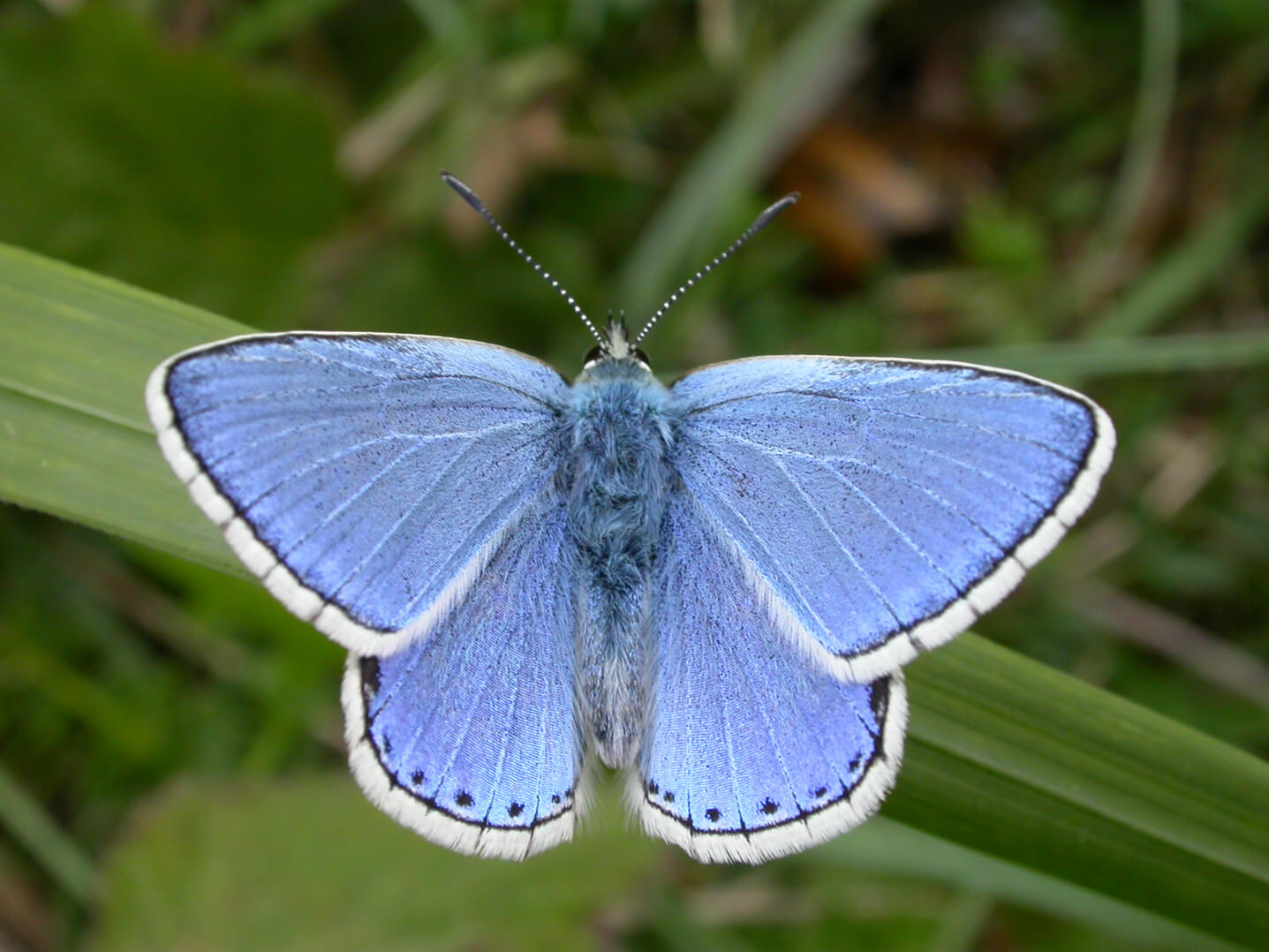
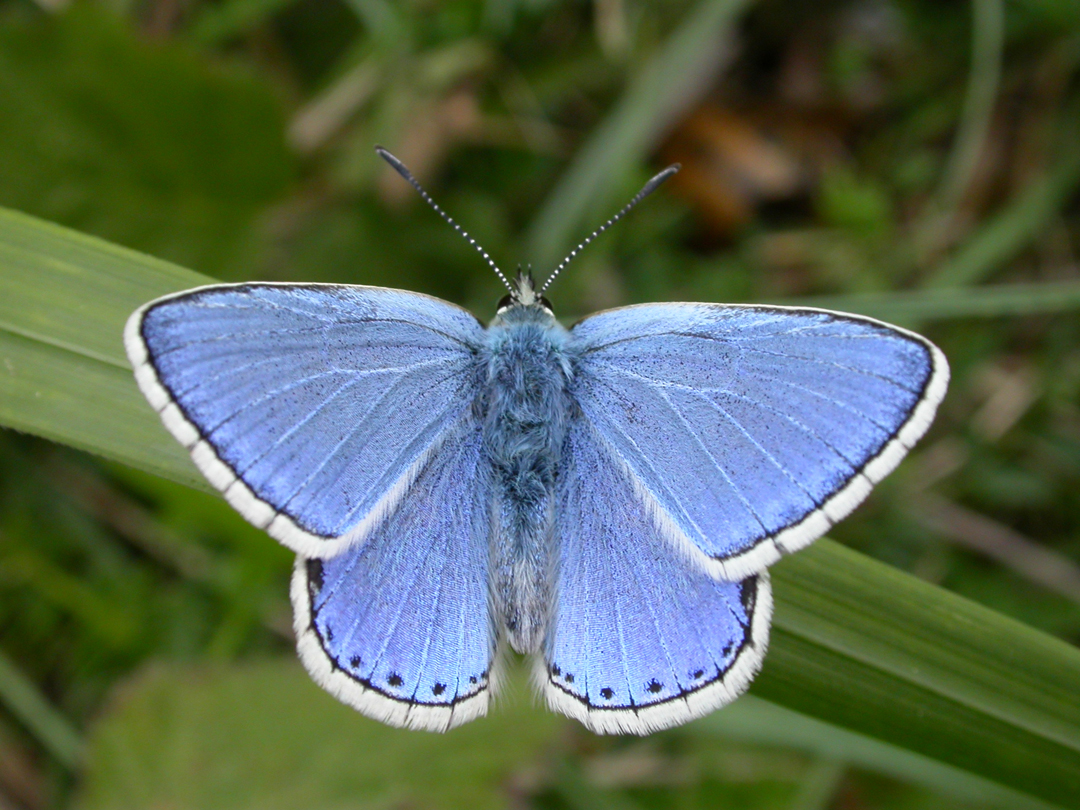
The Adonis blue butterfly, found on chalk grassland on the South Downs, and the hazel dormouse found in our woodland, are both indicators – telling us that we have sufficient habitat of good enough quality to support them and therefore a range of other species typical of these habitats.
It is therefore important that we understand the key indicator species that we have in the LNRS area and what is happening to their populations. Action must then be tailored to supporting these species and tracking progress. Only then will we understand how well our actions to improve and create habitats are actually supporting the wildlife that depends on them.
|
The Adonis blue butterfly is a downland specialist and is one of the most iconic species of unimproved chalk grassland in southern England. © Paul Marten/Sussex Wildlife Trust |
Championing the species found in our villages, towns and cities
Finally, across the LNRS area and particularly in our urban and peri-urban areas a range of charismatic and visible species live alongside people. Some, like the fox, are thriving in these habitats, whilst others such as the hedgehog and swift are struggling due to habitat change and loss.
Many of these species respond well to actions that communities and individuals can take in their houses, gardens, schools and local parks. These species can be adopted as ‘champions’, helping to enhance the connection people have to nature ‘nearby’ and providing opportunities to raise awareness and understanding of the importance of individual action in making nature’s recovery happen.
The LNRS aims to help this by:
- Providing, for the first time in West Sussex, East Sussex and Brighton & Hove, a consolidation of our knowledge and understanding of our most important species, their population numbers, distribution, trends and habitat needs. (See Part 3 of your LNRS.)
- Identifying the actions that can be taken to provide very specific habitat interventions required by species to support their recovery, particularly those of national and international importance.
- Identifying the further surveys and research needed to better understand our species and their needs and guide suitable future interventions.